Home / Pond Notes / Duck facts
Is It Illegal to Feed Ducks in Ohio? The Rules, Park by Park
In Ohio state parks, yes, unless a sign or the park allows it. Most big metro park systems ban it too. Here’s each rule, with the fines.
The short answer: in a lot of Ohio parks, yes. Ohio’s state park rules ban intentionally feeding wild or domestic waterfowl, with a fine of $10 to $100, unless a posted sign or the park allows it. Eight of the nine big metro park systems we checked ban it too, from Cleveland Metroparks to Great Parks of Hamilton County. We read the official rules in October 2026.
We sell duck food, and a ticket still isn’t worth it. Here’s what each rule says, from Cleveland to Cincinnati.
The rules at a glance
| Where | Feeding ducks? | The rule | Fine |
|---|---|---|---|
| Ohio state parks | Not allowed, unless a sign or the park allows it | Ohio Adm. Code 1501:46-3-33 | $10 to $100 |
| Cuyahoga Valley National Park | Not allowed | 36 CFR 2.2(a)(2) | – |
| Cleveland Metroparks | Not allowed | Park rules and regulations | – |
| Summit Metro Parks (Akron) | Not without a written permit | Rules and regulations § 4.4 | – |
| Lake Metroparks | Not allowed | Rules and regulations § 11.2 | Up to $150 |
| Lorain County Metro Parks | Not allowed | Rules and regulations § 14.10 | – |
| Mill Creek MetroParks (Youngstown) | Not allowed | Rules and regulations § 12.4 | Up to $150 for a first offense |
| Metroparks Toledo | Not allowed | Rules and regulations § 1.7 | Up to $100, then up to $500 |
| Metro Parks (Columbus and Franklin County) | Not allowed | Park rules | – |
| Great Parks of Hamilton County | Not allowed, except approved educational feeding | Park code § 90.01(A) | – |
| Five Rivers MetroParks (Dayton) | Asked not to | Rules and regulations | – |
| Cincinnati city parks | Not allowed, except where signs say you can | Park Board Rule 31 | Minor misdemeanor |
| City of Columbus | No scattering food in the open | Health Code § 221.02(r) | Up to $1,000 |
| Barberton city parks | Not allowed (waterfowl) | City code § 618.24 | $75 to $300 |
| Mentor | Not allowed (Canada geese) | Ordinance 23-0-077 | Fourth-degree misdemeanor |
A dash means the rule we read didn’t state a fine, or we couldn’t confirm one. Parks also post their own signs, so check at the water before you feed.
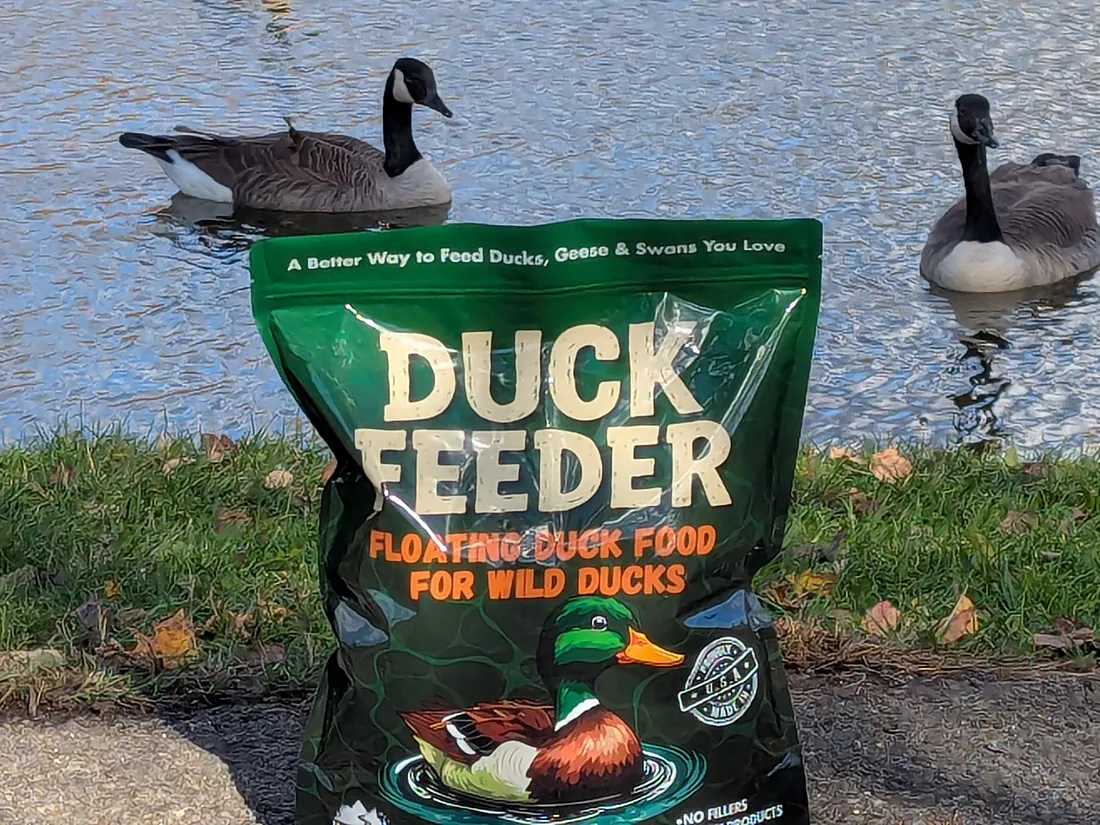
Is it illegal to feed ducks in Ohio?
In state parks, yes. Ohio’s state park rule on feeding wildlife, Ohio Administrative Code 1501:46-3-33, says no person is permitted to intentionally feed any wild or domestic waterfowl, wild animal, or other wild bird
. There are three exceptions: a posted sign that allows it, a nature program the park runs, or written approval from the area manager. Breaking the rule carries a fine of $10 to $100.
We didn’t find a statewide law against feeding ducks outside state parks. There, the answer depends on the park system or city you’re in, and most of the big ones say no.
Cleveland and Northeast Ohio
Cleveland Metroparks’ rule is one line: Feeding wildlife is prohibited.
The park systems around it agree.
- Summit Metro Parks (Akron) requires a written permit to feed wildlife, and its rules count
bread, table scraps, manufactured pet or wildlife foods, grains and seeds
as feed. Store-bought duck food counts. - Lake Metroparks bans feeding wildlife. A violation is a misdemeanor with a fine of up to $150.
- Lorain County Metro Parks:
No person shall feed or cause to be fed any bird, waterfowl, deer or other animal
, unless the park director allows it. - Mill Creek MetroParks (Youngstown):
The feeding of wildlife, including waterfowl, is prohibited on Park District lands and waters.
A first offense can cost up to $150. - Cuyahoga Valley National Park falls under the federal rule that bans feeding wildlife in national parks.
Two cities in the region add rules of their own. Barberton bans feeding waterfowl on city park land, and it defines waterfowl to include ducks, geese, swans, herons and egrets. That costs $75 for a first violation, $150 for a second in the same calendar year and $300 for a third. Mentor passed an ordinance in 2023 that bars knowingly feeding or harboring Canada geese, a fourth-degree misdemeanor.
Columbus and Central Ohio
Columbus’s Metro Parks gives its reason right in the rule: Metro Parks prohibits the feeding of wildlife, as feeding bread or other items to ducks and geese is bad for their digestion.
The City of Columbus has a rule of its own in its health code: No person shall place food in the open for feeding of any birds, animals or domesticated fowl
, unless it’s in a container that keeps the food from scattering on the ground. Breaking a health code rule is a first-degree misdemeanor, with a fine of up to $1,000, up to 180 days in jail, or both.
Cincinnati, Dayton and Toledo
Great Parks of Hamilton County bars visitors from feeding or disturbing wild animals, except for educational feeding approved by the parks’ chief executive. Cincinnati’s city parks have their own rule: no person shall feed any animals or birds located on park property
, except where signs or posters give permission. A violation is a minor misdemeanor.
Metroparks Toledo bans feeding wildlife, with fines of up to $100 for a first offense and up to $500 after that. Dayton’s Five Rivers MetroParks is the one big system we checked that asks instead of bans: MetroParks asks visitors to refrain from feeding wildlife.
Why so many parks say no
- The wrong food. The Ohio Department of Natural Resources says
Feeding bread, corn, potato chips, popcorn, and other human food items harm the geese
, and Metro Parks says bread and other handouts are bad for ducks’ and geese’s digestion. - Bolder geese. The state warns that
Geese that are fed will lose their fear of humans and attack adults, children and pets during the nesting season.
- More geese. Handouts help flocks grow. The state notes that
a pair of geese can easily become 50 to 100 birds
within a few years.
Where you can feed ducks in Ohio
- At home. Pet ducks, and wild ducks on your own pond, unless your city has a rule against it. In Columbus, for one, food put out for birds has to be in a container that keeps it off the ground.
- A private pond, with the owner’s OK. Ask first.
- Where a sign says yes. Ohio’s state parks and Cincinnati’s city parks both allow feeding where posted signs permit it.
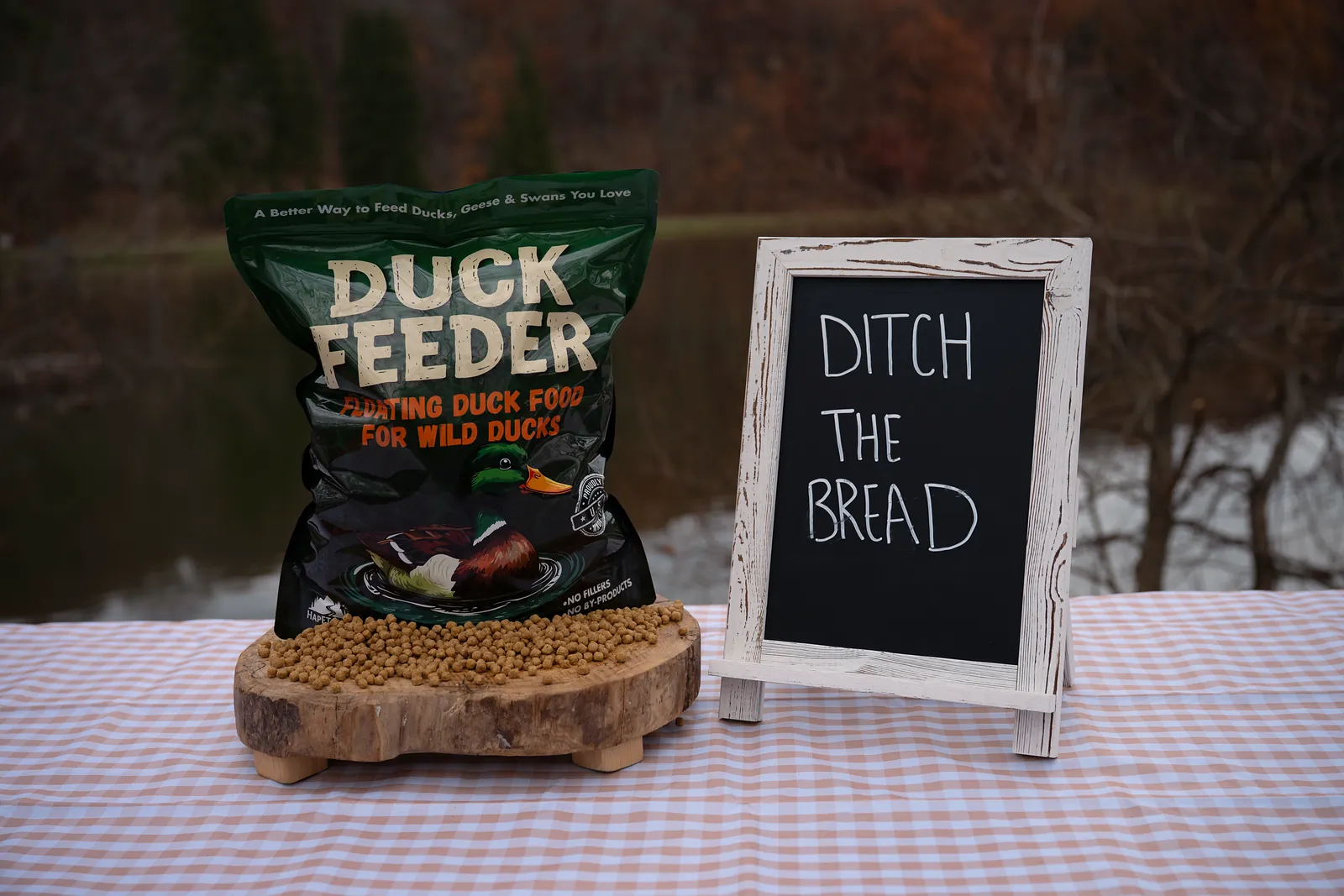
Wherever you feed, keep it to a small handful at a time of food made for waterfowl, not bread. Here’s what to bring.
Other states
Heading across the state line? See the rules in Pennsylvania and New York, or start with duck feeding rules by state.
We’ll keep this page current. If you know an Ohio park rule we missed, email us at hapetrailsllc@gmail.com.
Sources
- Ohio Administrative Code, Rule 1501:46-3-33, feeding of wildlife (effective June 30, 2024)
- Ohio Revised Code, Section 1546.99, penalties
- Ohio Department of Natural Resources, Nuisance geese
- Code of Federal Regulations, 36 CFR 2.2, wildlife protection in national parks
- National Park Service, Cuyahoga Valley National Park: safety
- Cleveland Metroparks, Park rules and regulations
- Summit Metro Parks, Rules and regulations (2022)
- Lake Metroparks, Rules and regulations
- Lorain County Metro Parks, Rules and regulations (2020)
- Mill Creek MetroParks, General rules and regulations (2019)
- Metroparks Toledo, Rules and regulations
- Metro Parks (Columbus and Franklin County), FAQs
- Great Parks of Hamilton County, Code of regulations, § 90.01
- Cincinnati Parks, Park Board rules
- Five Rivers MetroParks, Rules and regulations
- Columbus Public Health, Columbus City Health Code, § 221.02 and § 209.99
- City of Barberton, Codified Ordinances § 618.24, feeding of waterfowl prohibited
- City of Mentor, Feeding of Canada geese now prohibited in the City of Mentor (October 18, 2023)